ABOUT US



YAHER
Yaher was a start up co-founded by me, Harshith Vuppala and Muskan Surana, incubated under Karnavati University for which we received a grant under the Government of Gujarat and mentorship from the IIM Women's cell.


B - B


B - g
B - C
For the Urban home segment
( Indoor/Outdoor )
For urban slums
For the HORECA segment
( Hotels, Restaurant, Cafes) and retail outlets
Our startup sought to tackle the challenges of insects and vector-borne diseases by exploring product and service solutions across three sectors: Business-to-Business (B2B), consumers (B2C), and government (B2G). We aimed to develop strategies that could mitigate the different intensity and scope of problem faced by each sector, striving to promote healthier environments and communities.
B - g
Community driven system design
turning waste into valuables
Addressing the challenge of vector-borne diseases
in urban slums, this project aimed to empower
residents and enhance living standards through
the promotion of hygienic methods and practices.

Future of Urban Slums
By 2030, it’s estimated that,
1 in 4 people on the planet will live in a slum or other informal settlement with presently over,
1.6 billion people living without adequate shelter.
1 in 3 urban residents live in slums in developing countries.
The ongoing rapid urbanization presents a host of challenges, with 'urban health' at the forefront. In our vicinity, urban slums grappled with the rampant spread of infectious vector-borne diseases, including tuberculosis, hepatitis, dengue fever, cholera, and malaria. Characterized by overcrowding, inadequate drainage, and poor sanitation and hygiene practices, the streets were littered with garbage, creating untenable living conditions that significantly impacted the mental and physical well-being of the residents.
The Crisis
Dengue, malaria, and chikungunya struck over
1.13 million people in the country last year.
Of these, 766 succumbed.
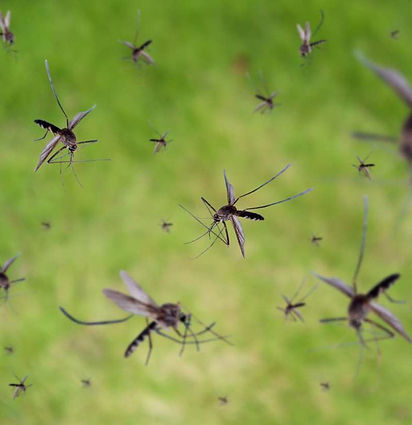
India bears a huge burden of mosquito-borne diseases, contributing to
34 % of global dengue &
11 % of global malaria cases.
Despite this, the country has made no headway in tackling the mosquito menace.

Health and Safety Condititons
Cleanliness
Having no sense of belonging and not completely considering the house as their own leads to homes and their surroundings being ill-kept and untidy. Especially since both parents go to work, the place is not cleaned properly and is unruly. There is also a lack of basic sanitation like running water and toilets within the home.
Lack of ventilation
Small dingy space with no windows and high roofs leads to a lack of proper ventilation as well as fresh air and sunlight. Since many houses use mud fire stoves instead of kerosine, smoke is generated within, and cross ventilation is especially important in such areas. If it is not regulated, not only does drastically affect the women while cooking, the air quality is also not healthy to breathe in while sleeping at night.
Space
The homes are overcrowded with whole families living under one roof (one room in the majority of cases), sharing immediate common spaces with hundreds of neighbors. Without essential zoning for different activities, stuffiness, and feelings of conjunction having negative mental effects are common.
Security
Having no secure land tenure means they can be evicted whenever required by the landlord or government if not on registered land. Lack of security can also arise from unstable makeshift houses, that are prone to damage from adverse weather conditions and need repairs.


